
New Latvian Red Data Book officially published
On 22 January, the new edition of the Latvian Red data book was officially launched at the University of Latvia. It represents the most comprehensive and up-to-date scientific compilation of rare, threatened, and extinct species in Latvia produced in recent decades. The publication provides the public, policy-makers, and nature conservation professionals with an authoritative overview of the conservation status of these species in Latvia and supports efforts to ensure their long-term protection.
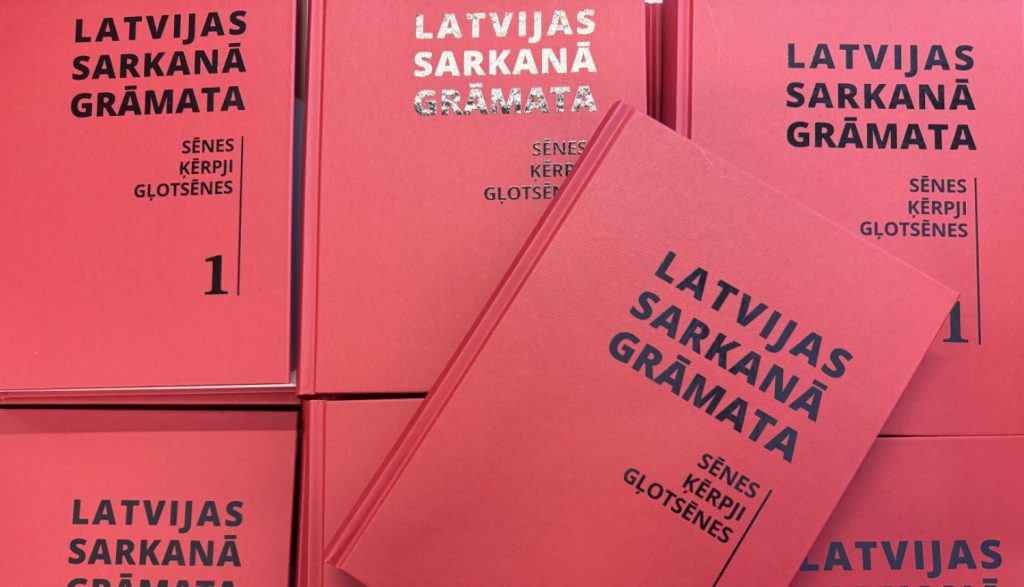
The new edition of the Latvian Red data book comprises six volumes and includes descriptions of 1,069 taxa (including subspecies, populations, and other units). In addition to rare, threatened, and extinct species, it also covers species classified as near threatened as well as species for which available data are insufficient to assess extinction risk.
“After more than 20 years, we once again have a scientifically robust and internationally comparable assessment of the most vulnerable components of Latvia’s natural heritage. This publication is not only a benchmark of our capacity to safeguard biodiversity, but also an important tool for strengthening public knowledge and understanding of natural values. It is not merely a data repository, but a national-level symbol and a modern instrument that will support informed decision-making in nature conservation for decades to come,”
emphasises Laura Anteina, Director General of the Nature Conservation Agency (NCA).
The content of the book was developed over a four-year period (2021–2025), bringing together a broad range of scientists and nature experts. For the first time in Latvia’s history, species threat and extinction risk assessments were carried out in accordance with the globally recognised methodology of the International Union for Conservation of Nature (IUCN), ensuring international comparability and wider applicability of the results.
“We hope that the new Red data book will become a valuable source of information for everyone who cares about Latvia’s nature—researchers, students, school pupils, and nature enthusiasts alike. It will help identify which species require our immediate attention,”
notes Gunta Čekstere-Muižniece, project manager of the LIFE FOR SPECIES project.
The publication is structured into six thematic volumes: fungi, lichens and slime moulds; mosses and stoneworts; vascular plants; invertebrates; fishes, amphibians, reptiles and mammals; and birds.
More than 55 species experts from Latvia and Estonia contributed to the assessments, which were peer-reviewed by 37 international experts from eight European countries. Both expert workshops and public discussions were organised, allowing broader societal engagement in the process.
The electronic version of the Latvian Red data book will soon be freely available to the public at https://sarkanagramata.lu.lv/. The printed edition has been available for consultation since 23 January at the nature centres of Rāzna, Ķemeri and Gauja National Parks, the North Vidzeme Biosphere Reserve, as well as at the National Library of Latvia. Thanks to cooperation with the National Library of Latvia, the books will also become available in major public and educational libraries across the country in the coming months.
The Latvian Red data book was prepared within the LIFE Programme project “Threatened Species in Latvia: Improved Knowledge and Capacity, Information Flow and Awareness” (LIFE FOR SPECIES). The project is implemented by the Institute of Biology of the Faculty of Medicine and Life Sciences, University of Latvia, in cooperation with the NCA, Daugavpils University, and the Latvian Ornithological Society, with financial support from the European Commission’s LIFE Programme and the Ministry of Smart Administration and Regional Development.
This publication reflects only the views of the LIFE FOR SPECIES project and cannot be considered an official position of the European Union. The European Commission is not responsible for any use that may be made of the information contained here.